• 5 min read
Quran learning and Islamic studies belong together. Recitation teaches a student how to read the words; Islamic studies teaches them what to do with them.
Foundational knowledge answers the questions that come up daily: how to perform Salah correctly, what the essential beliefs are, how the Prophet ﷺ dealt with people, and what the Sunnah says about honesty, patience and family.
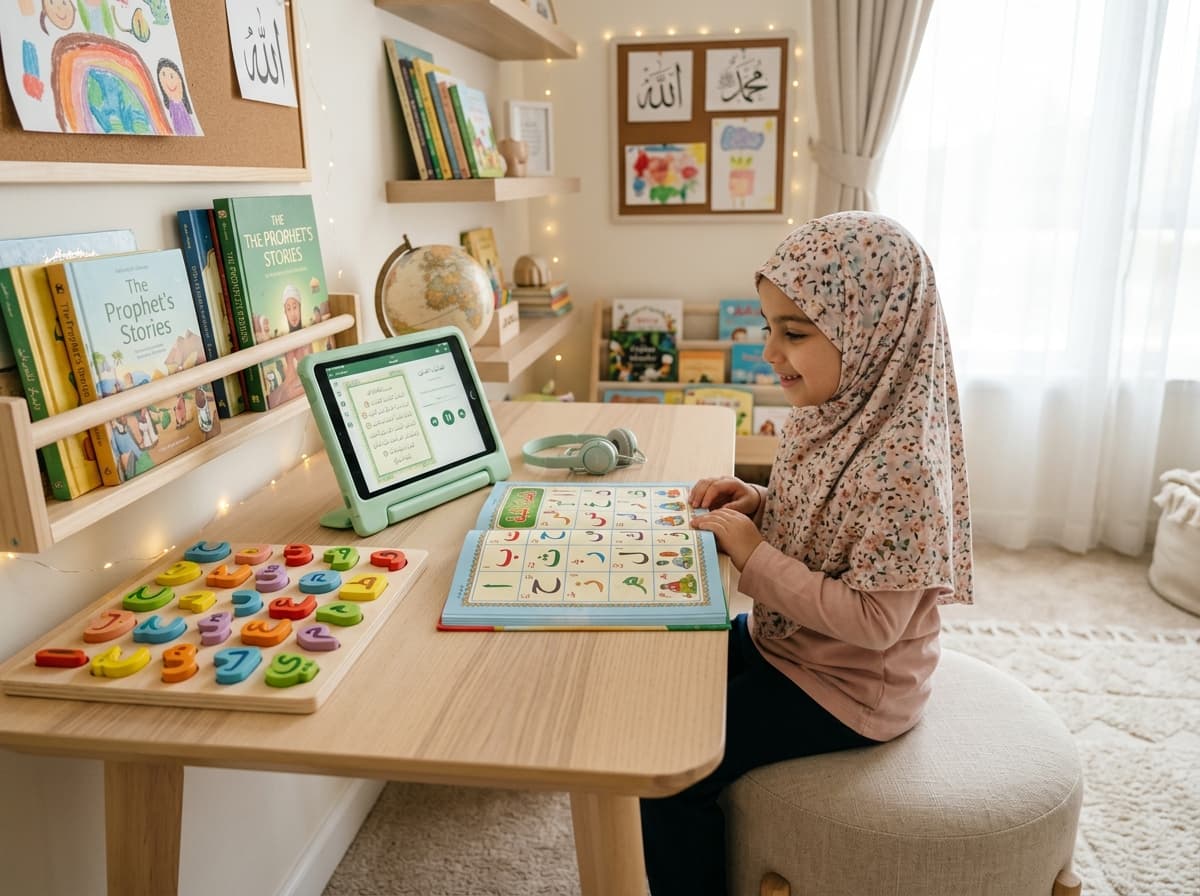
For children, this knowledge arrives best in small stories and clear examples rather than long definitions. For adults, it often means filling gaps that were never properly taught in childhood — and there is no embarrassment in that.
A balanced weekly plan might combine recitation practice with one shorter session on Seerah, Duas or daily manners. Over a year, that modest addition builds a genuinely rounded understanding.
Ready to start your Quranic journey? Join Al-Falah Islamic Education today and learn from certified teachers with a 1-week free trial.